
The story
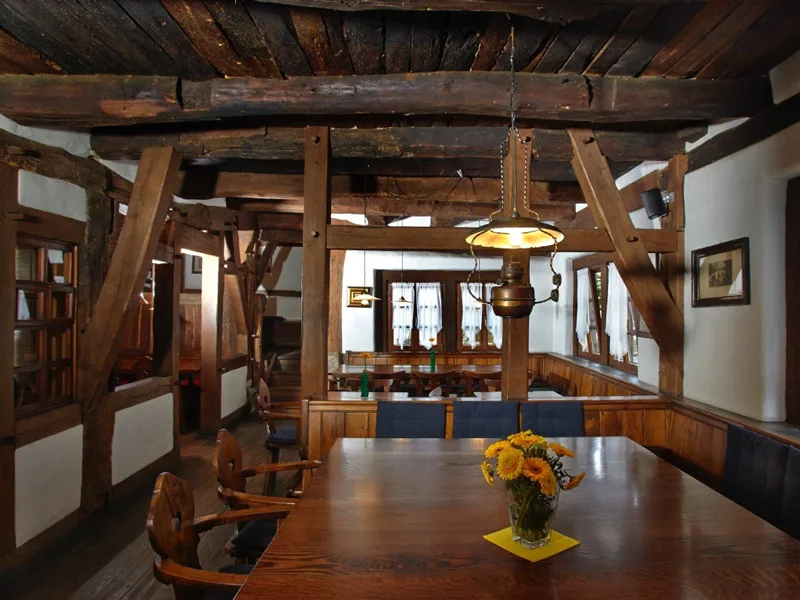
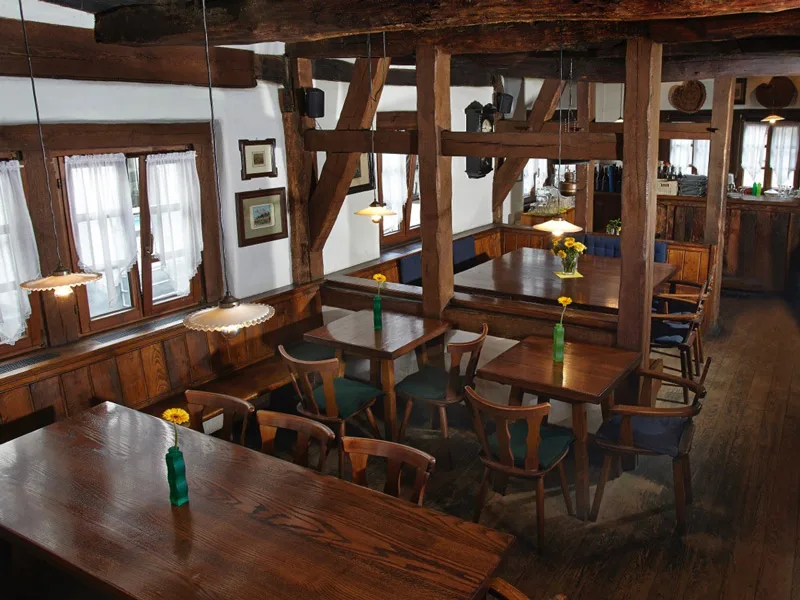
Weinstube Klösterle in Stuttgart anchors traditional Swabian cooking within a structure dating to 1463. Architect Hermann Kugler acquired the weathered site in 1983 and directed its careful restoration, securing a state preservation award shortly after. Heavy wooden tables occupy the ground floor, where exposed beams and original masonry set a quiet tone. Guests gather here for straightforward local fare that prioritizes seasonality over complexity.
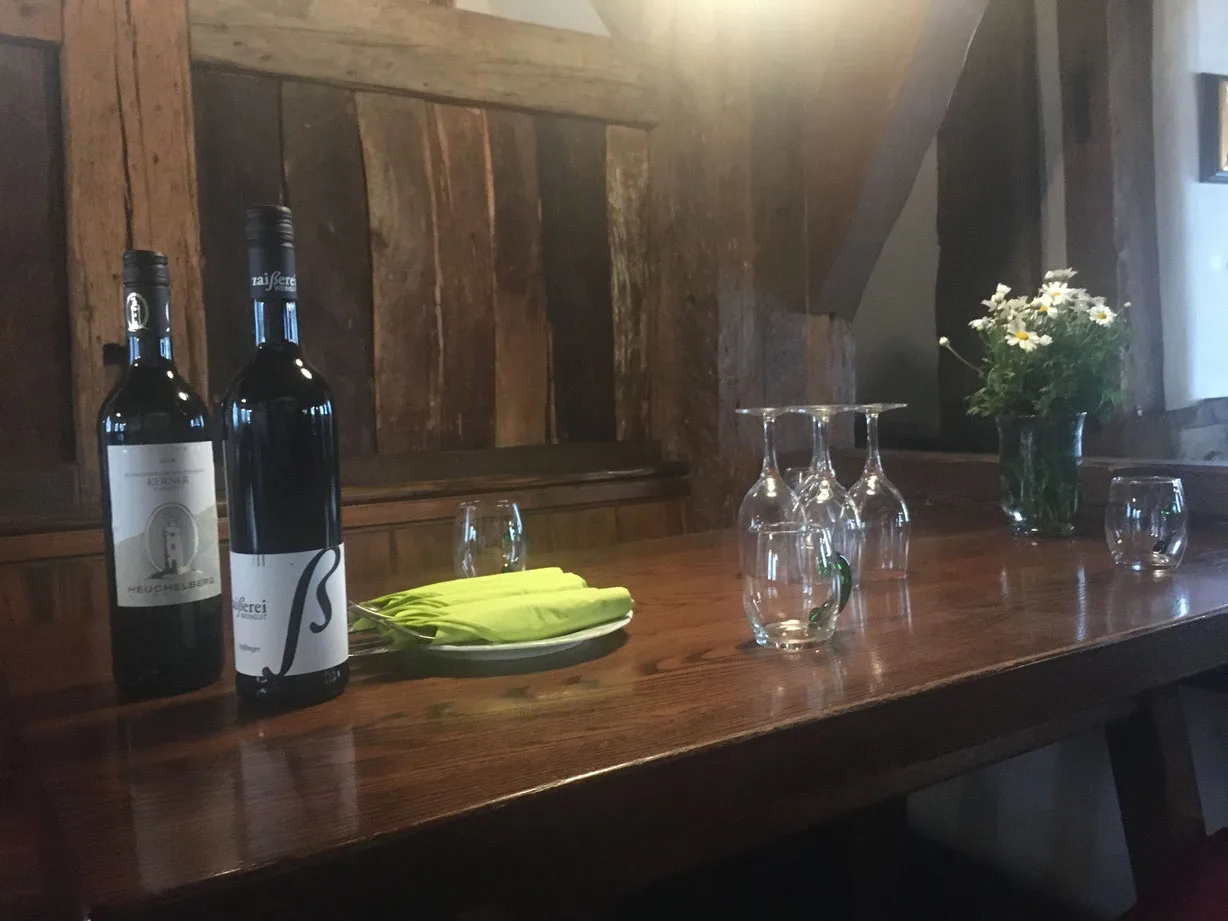
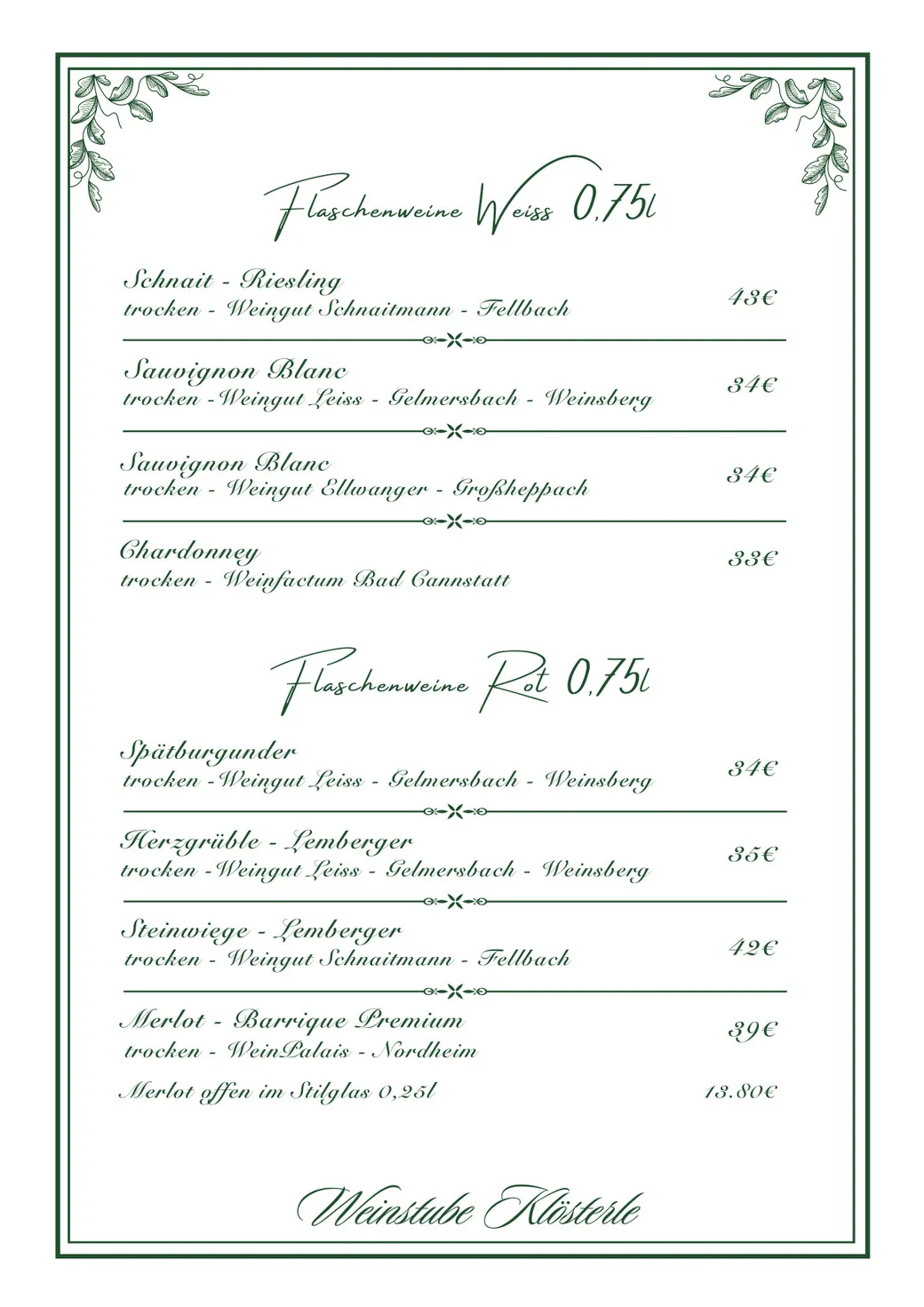
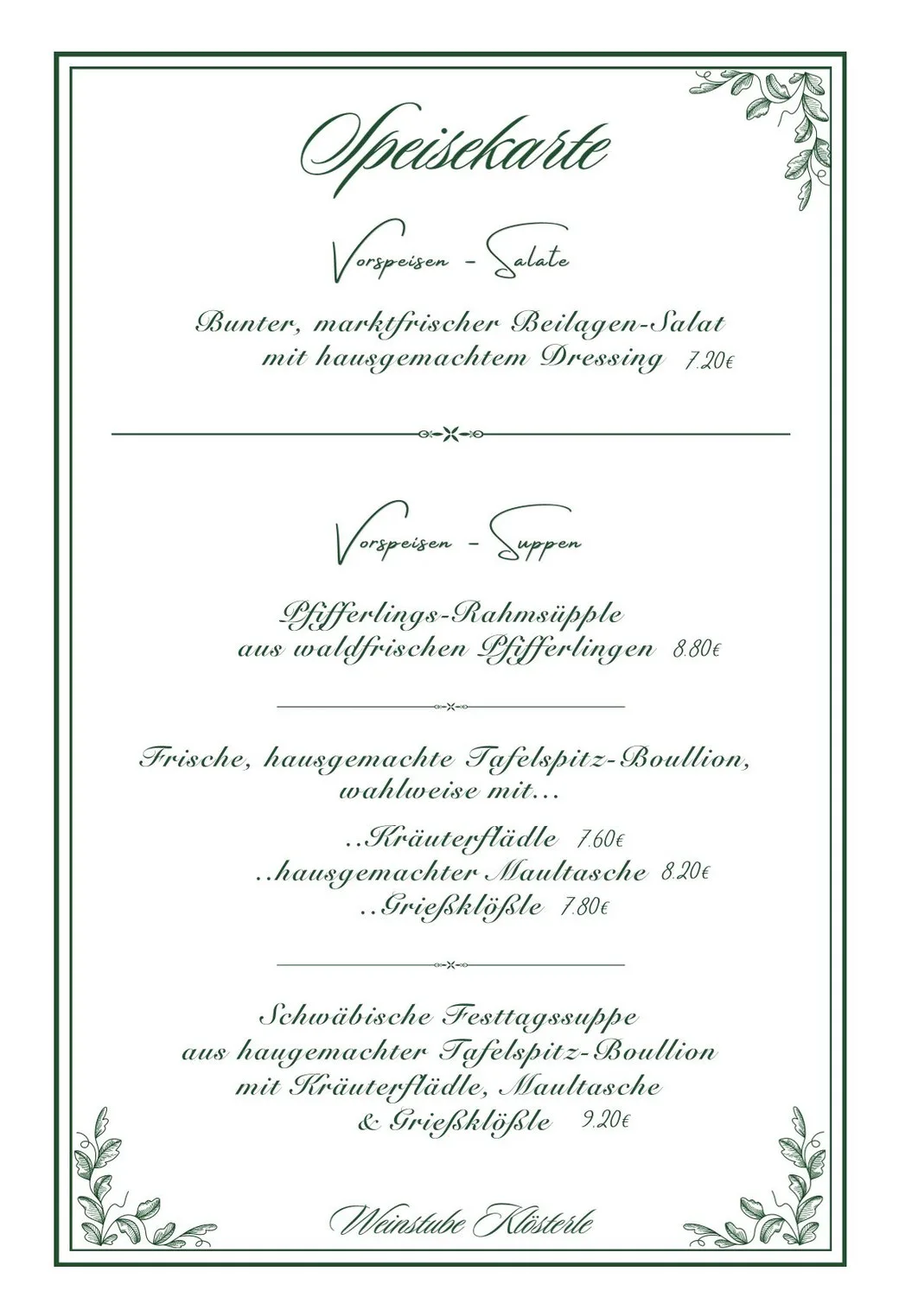
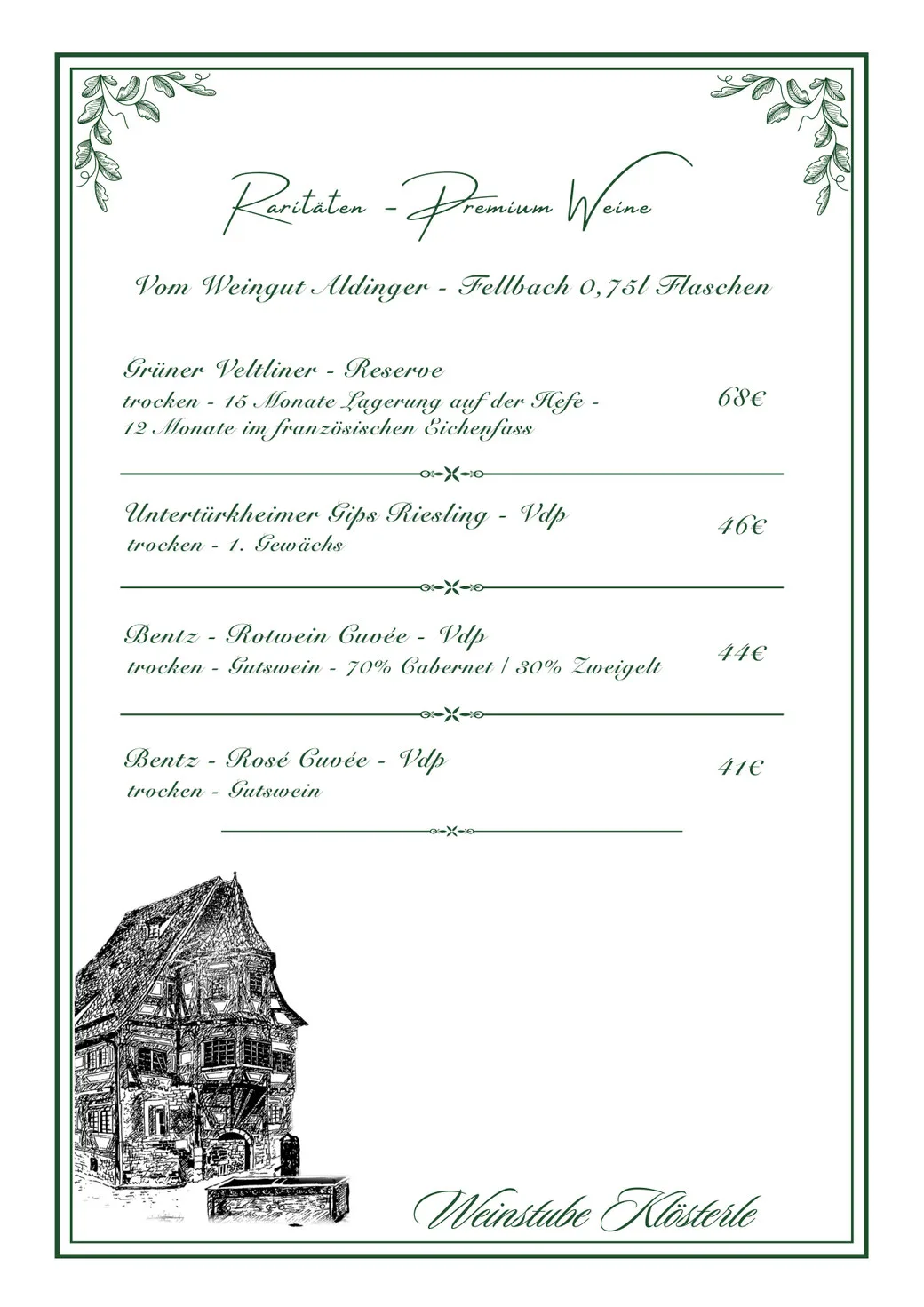
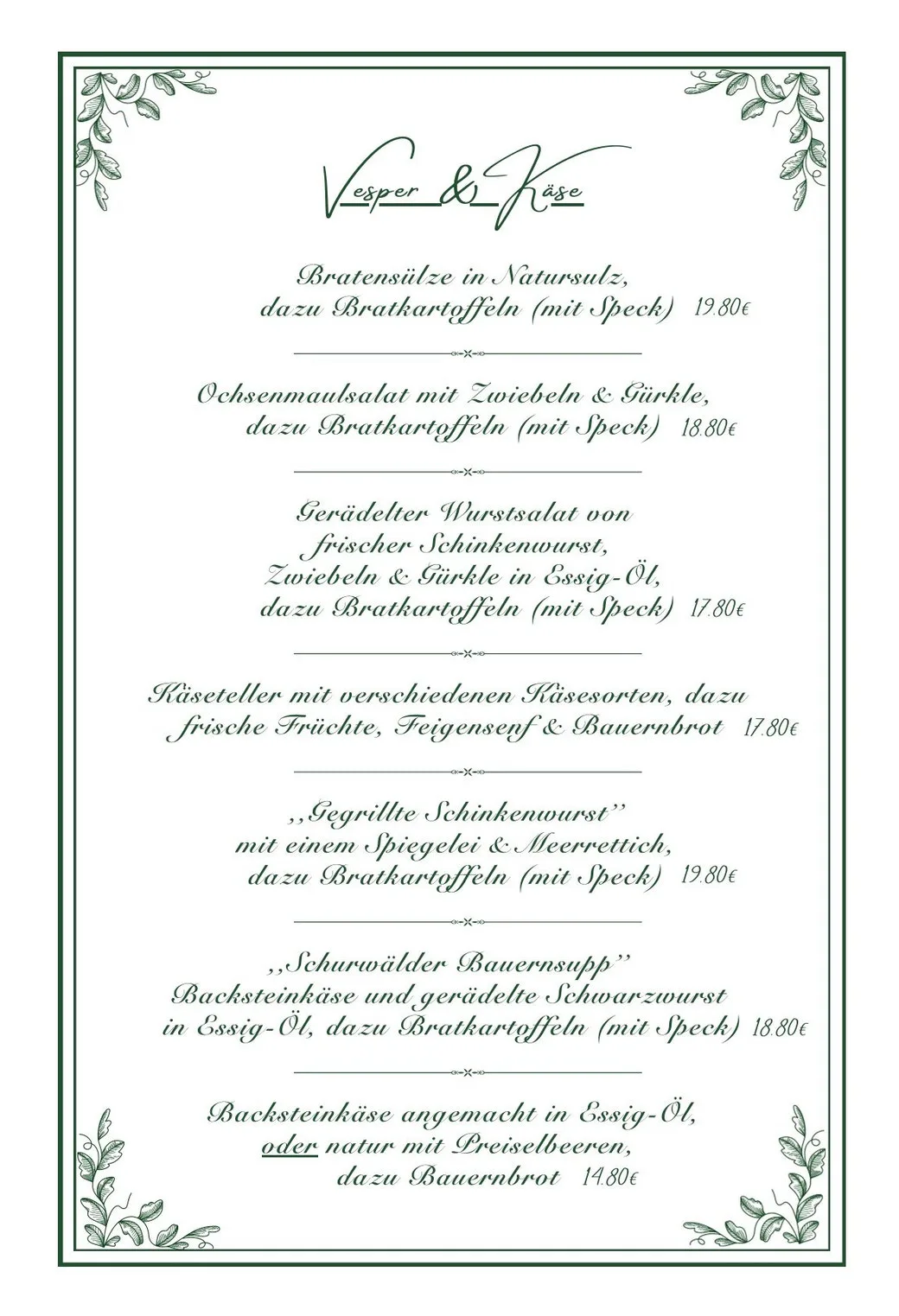
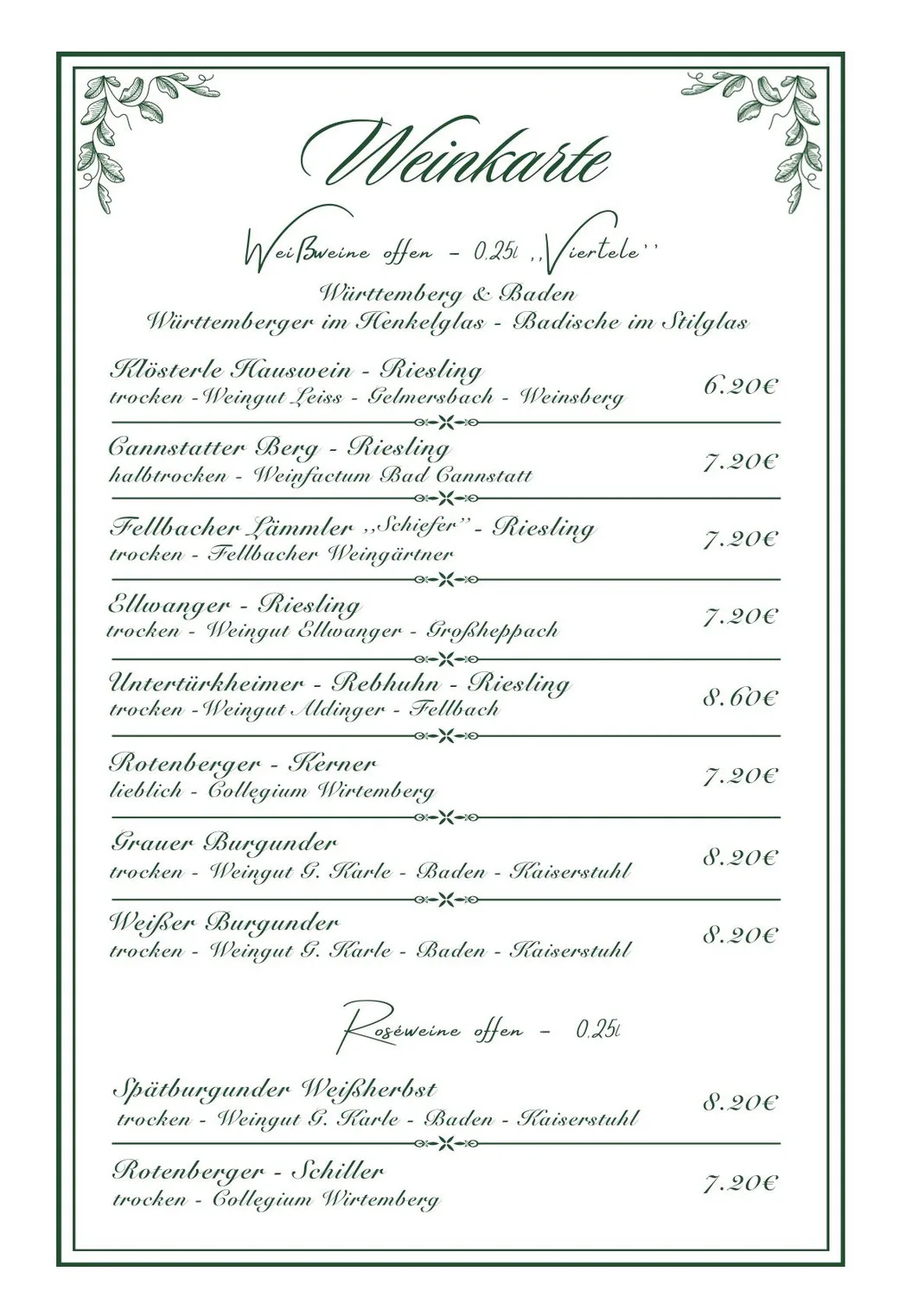
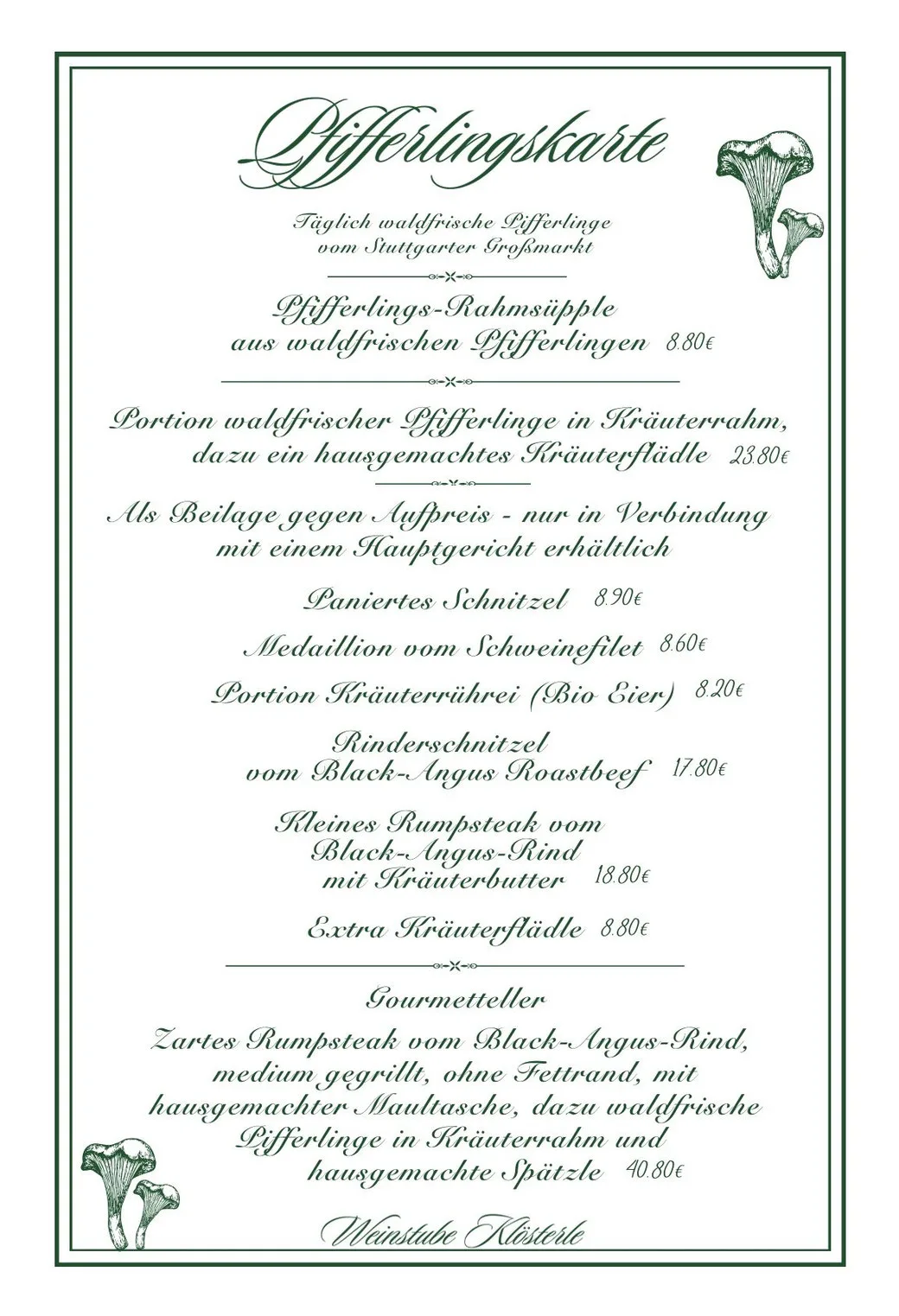
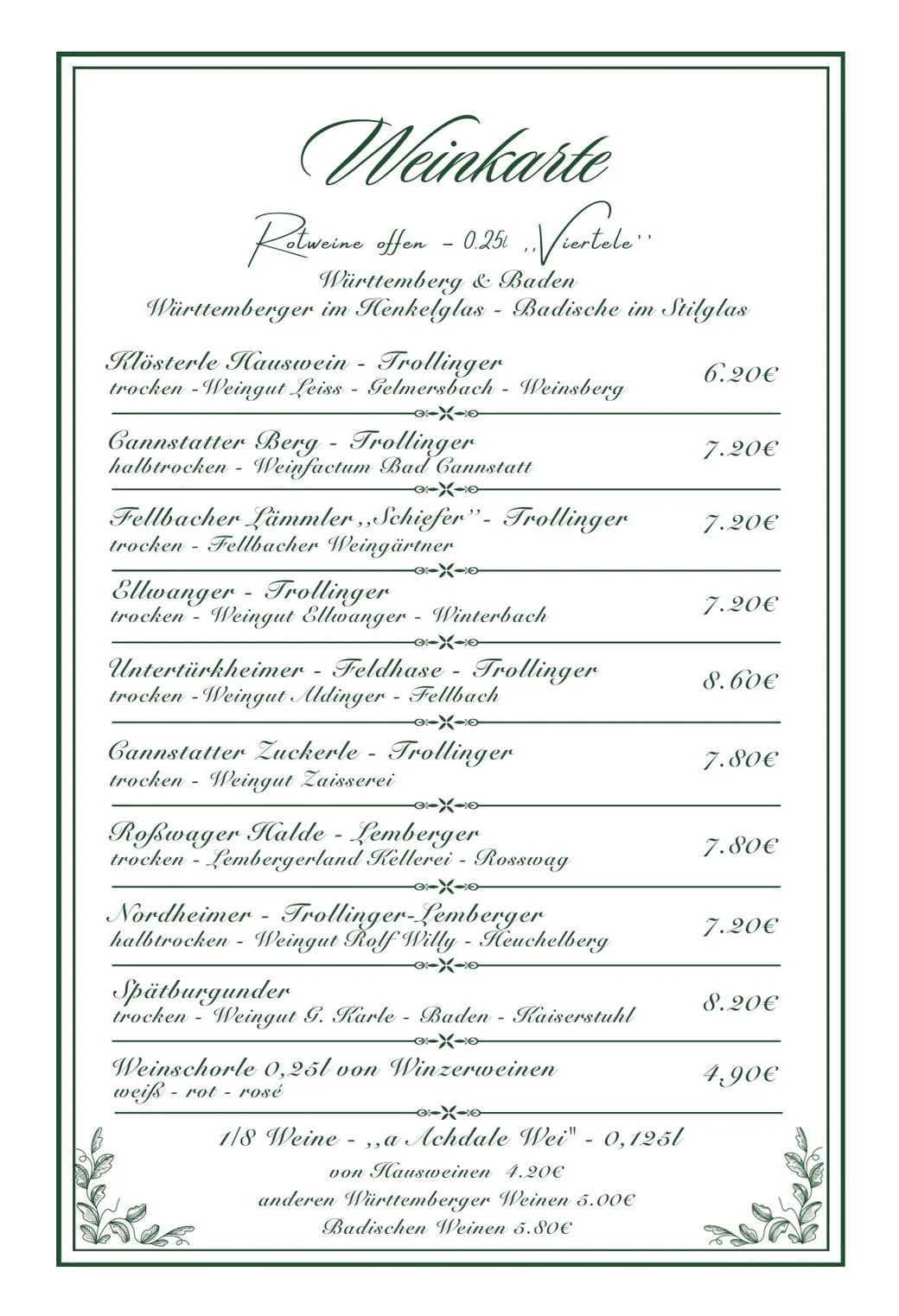
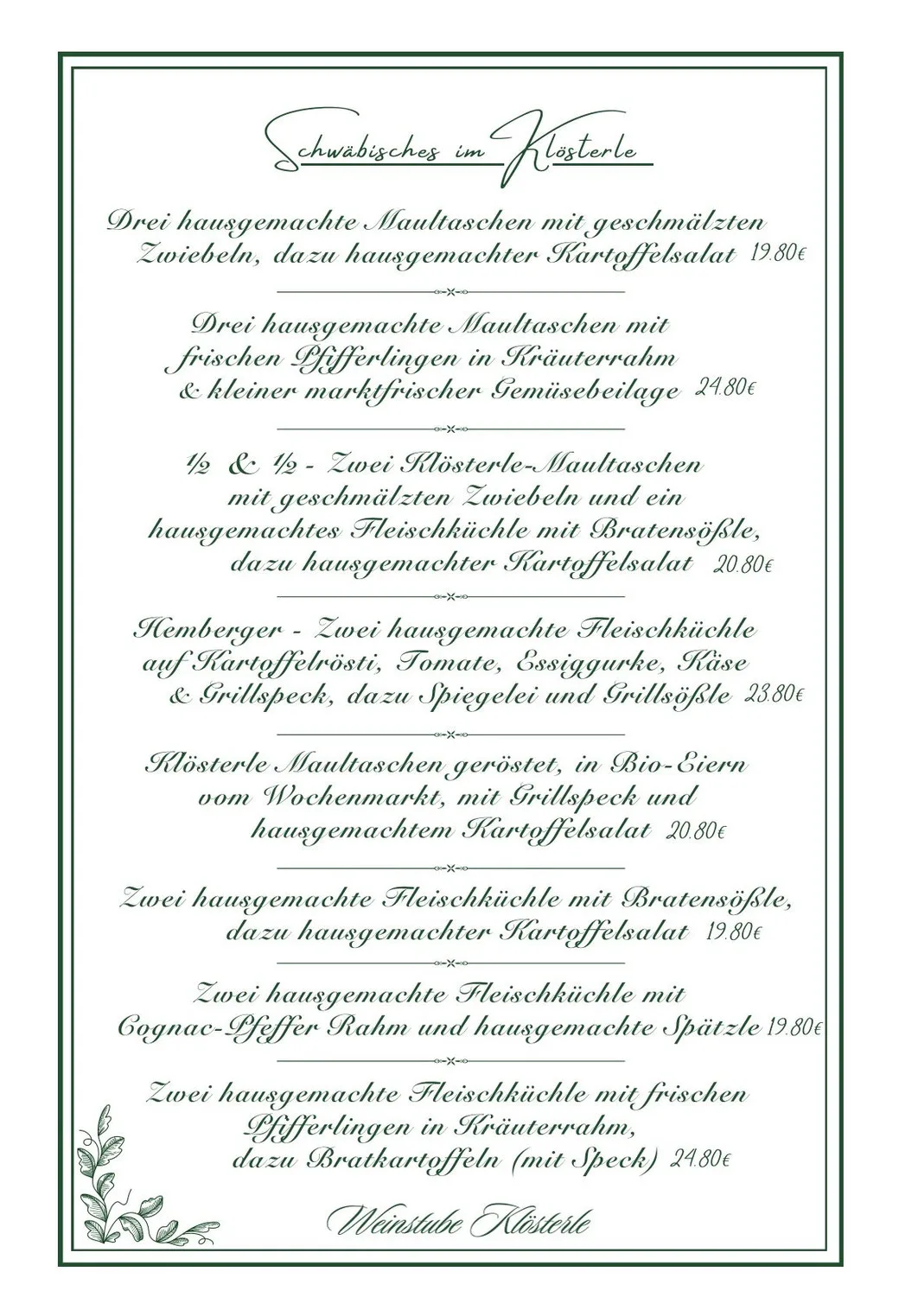
The kitchen rotates its menu around available crops, featuring ingredients like wild morels during their brief appearance. Servers pour selected wines from established Baden-Württemberg vineyards directly into carafes, matching them against hearty vegetable preparations and classic Swabian recipes. Plant-forward options sit alongside familiar dishes, giving diners clear choices without compromising tradition. This approach keeps the kitchen aligned with nearby farms while offering reliable comfort to regular visitors.
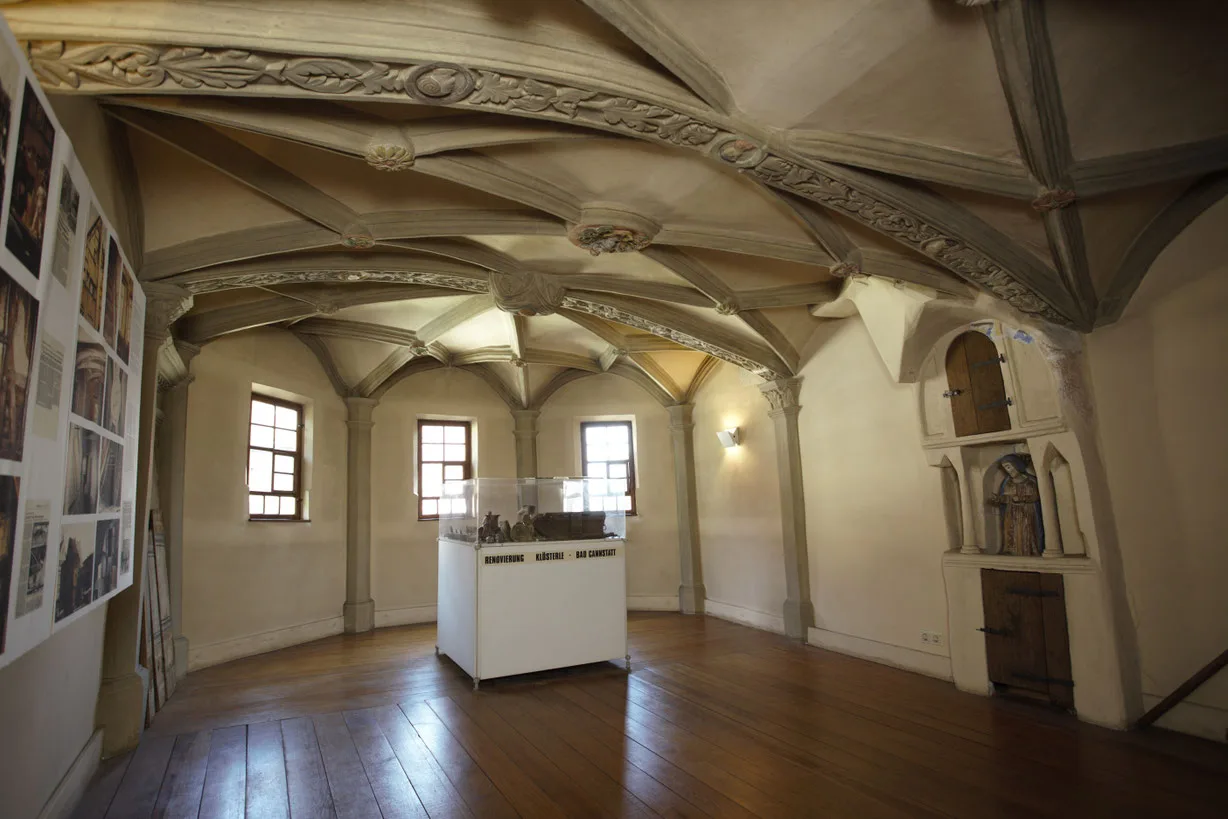
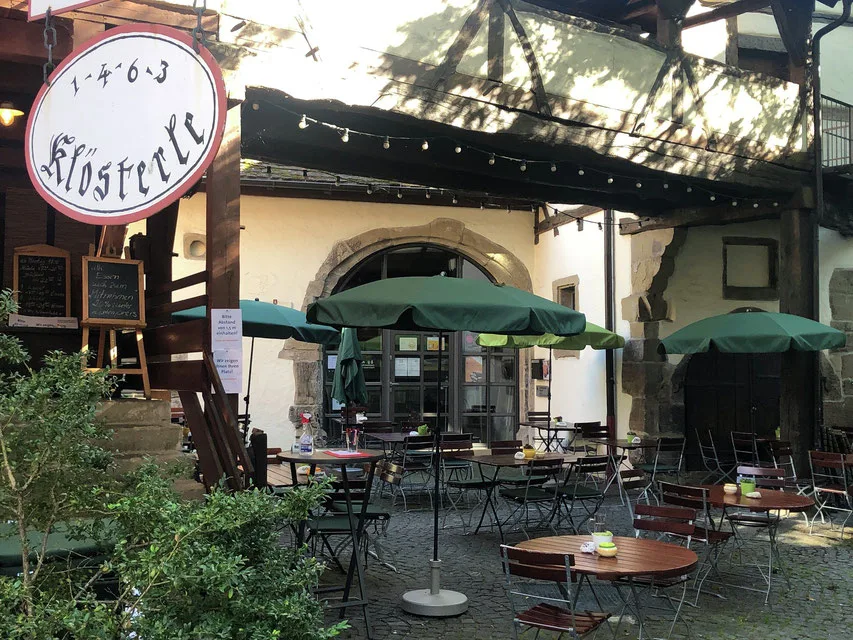
Judges at the Schlemmer Atlas recognized the venue with one and a half ladles for maintaining its historic fabric alongside consistent daily service. The main dining room stays enclosed during cooler months, though the terrace opens beside the Bad Cannstatt City Museum when conditions allow. Evening groups frequently book the space for private events, utilizing the adaptable layout and separate access points. Operating hours begin in the late afternoon, leaving ample time for unhurried conversation over locally sourced meals.
Recognition

Ambience
Details
Location

 Facebook
 X
X