
The story
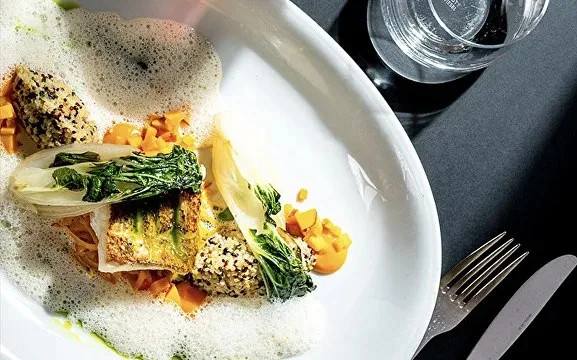
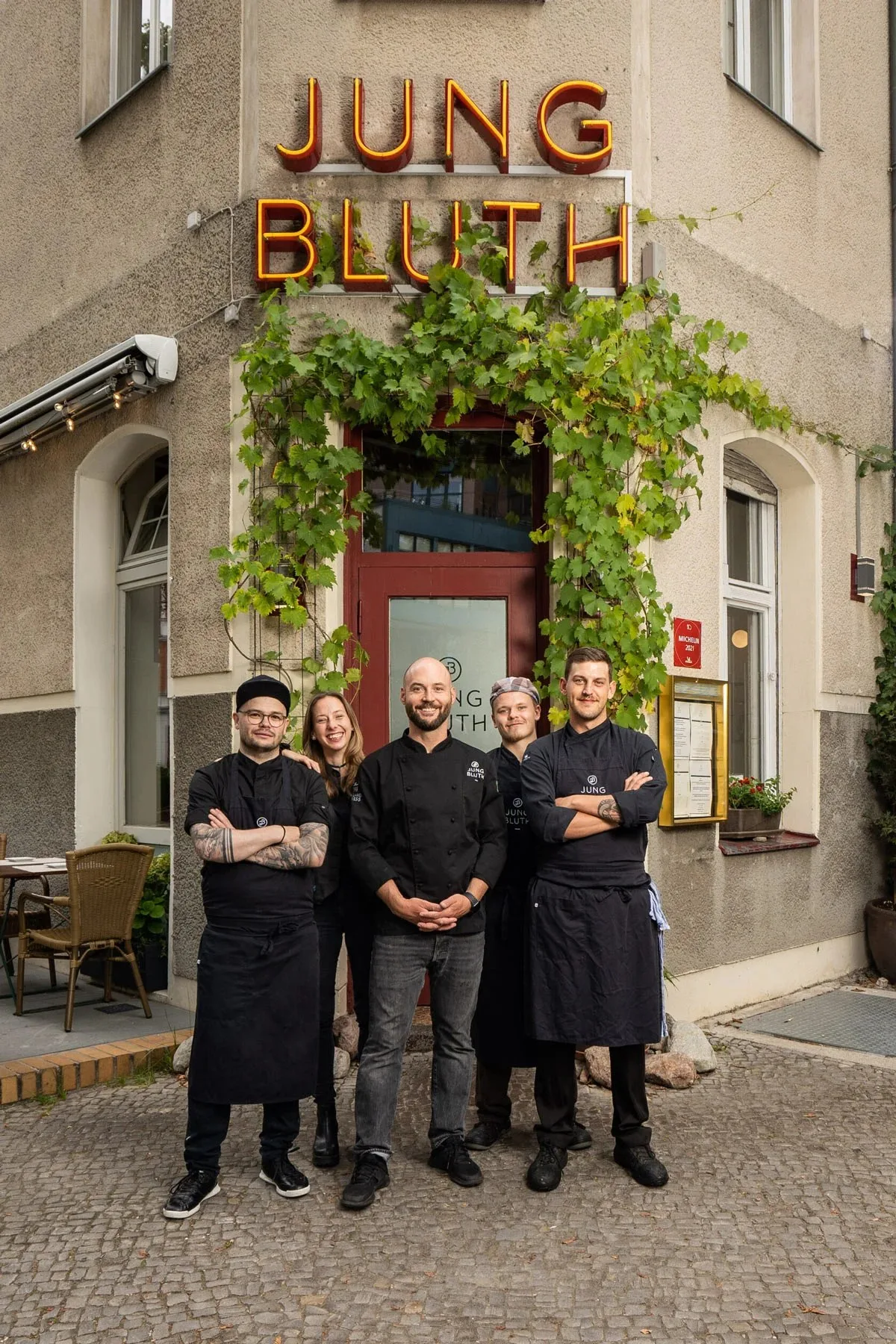
Jungbluth shapes its new German cuisine around seasonal produce sourced from regional farms and coastal fisheries. Chef Andre Sawahn builds every plate from fresh vegetables first, then adds precise cuts of fish or meat to complete the composition. This straightforward approach earned the venue two and a half spoons in the 2026 Schlemmer Atlas, which praised the balanced execution. Guests frequently return for the daily selections that pair earthy root vegetables with bright acidity.
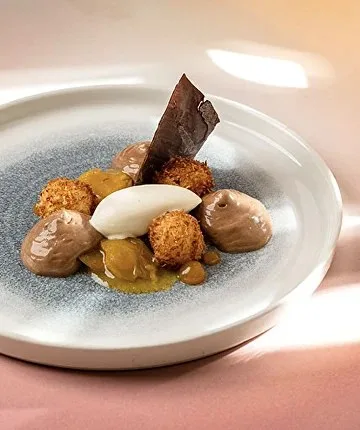
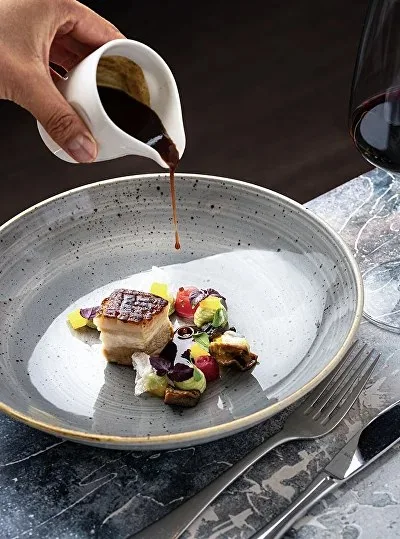
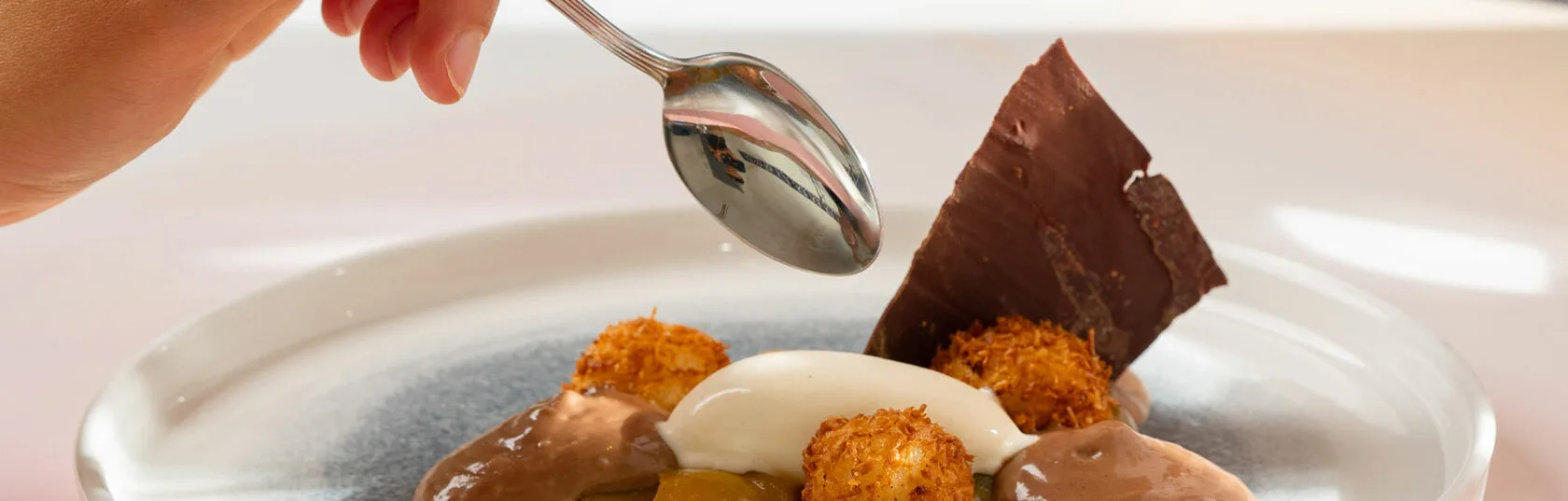
The dining room highlights whole fish preparations like skrei served with risotto and green asparagus alongside rich game dishes such as backstrap from Fläming wild boar paired with böhmische knödel. A three course menu priced at fifty four euros lets diners choose between seafood, meat or a plant based alternative, with optional intermediate courses available for fifteen euros each. The guide specifically points out the monkfish and lamb rack as reliable standards on this rotating lineup. Desserts lean toward textured contrasts, keeping the overall profile aligned with contemporary German cooking.
The building retains its original Gründerzeit bones, featuring tall ceilings that flood the space with daylight and preserved stucco work along the walls. A historic bar counter anchors the main hall, while two street facing terraces extend the seating area during warmer months. The separate Alte Küche room hosts private gatherings for up to twelve guests, leaving the main floor available for larger parties. The layout preserves the quiet confidence of a neighborhood institution that opened as a nineteenth century wine tavern.
Recognition

Ambience
Details
Location
 Facebook
 Instagram