
The story
Die Schwalbe in Graz began as a response to personal experience and observed gaps in post-clinic care. Founder Angelika Vanek-Enyinnaya spent eight weeks in a psychiatric hospital in 2008 and recognized that many women dreaded discharge due to fears of returning to stressful environments or facing isolation. During her stay, she committed to creating a self-help association that would provide a shared living space for women in life crises, allowing time for recovery in a family-like setting.
The home functions through peer work grounded in the EX-IN recovery accompaniment concept. Every staff member combines social-psychiatric training with lived experience of mental health challenges. This dual qualification ensures encounters happen on equal footing, which accelerates trust building. Residents actively define their daily structures and decide what support feels most helpful. The program focuses on strengthening self-management, encouraging personal responsibility, and reducing self-stigmatization through honest communication.
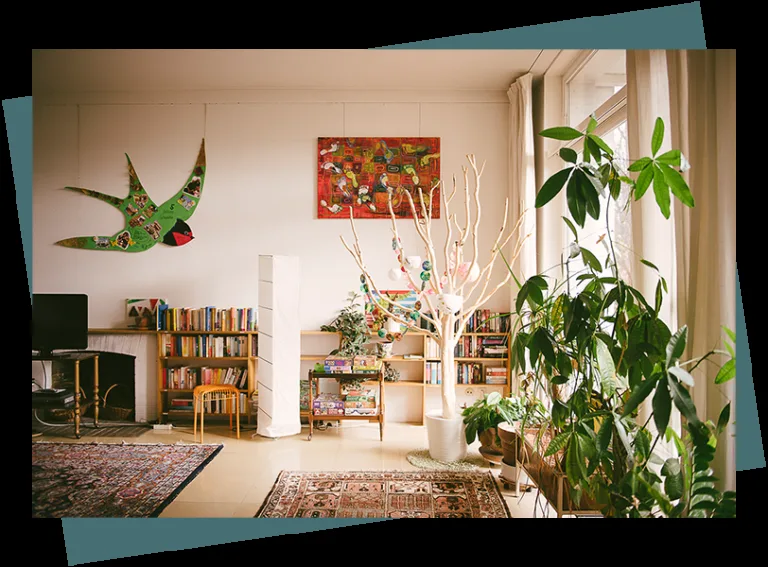
The name draws from a book on global symbols where the swallow appeared as an emblem of optimism and boldness. Like the bird that builds a nest and then migrates, the house offers a temporary refuge where women can regroup. Nearly fourteen years after its founding, the initiative collaborates with local hospitals and counseling centers. Regional authorities now provide funding, ensuring the project continues to serve women who recognize their own struggles in the community around them.
Recognition

Ambience
Details
Location












 Facebook